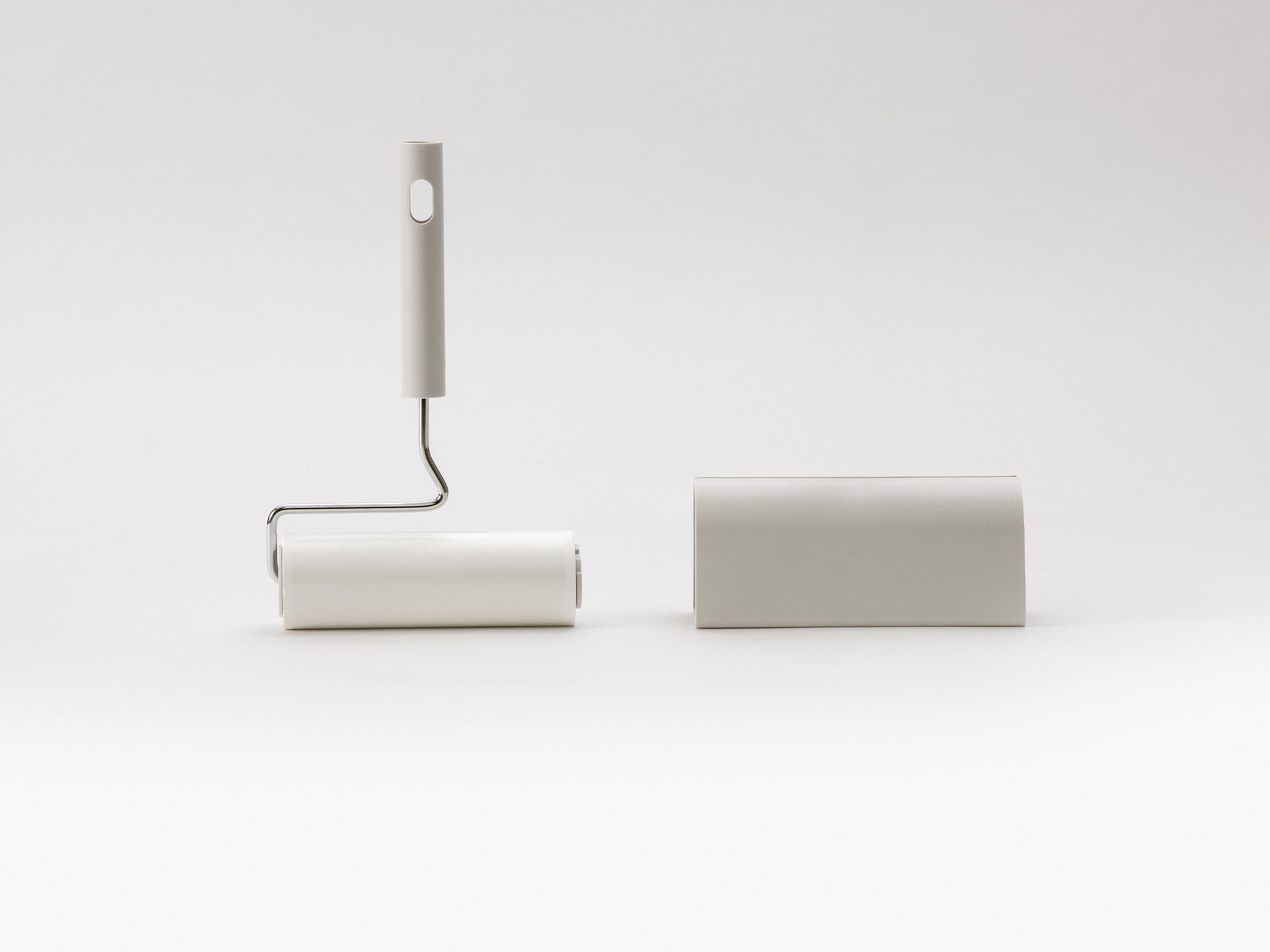
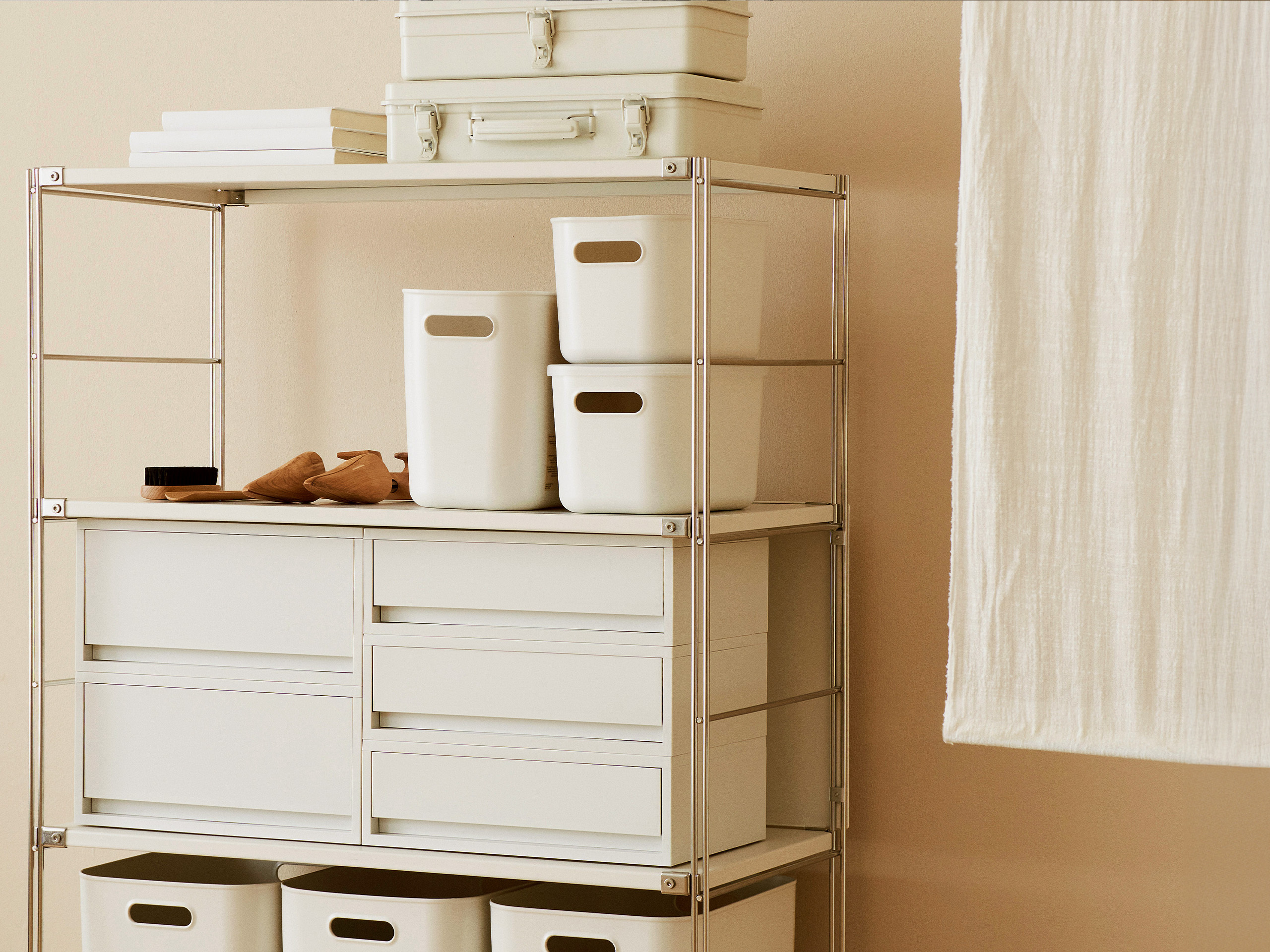
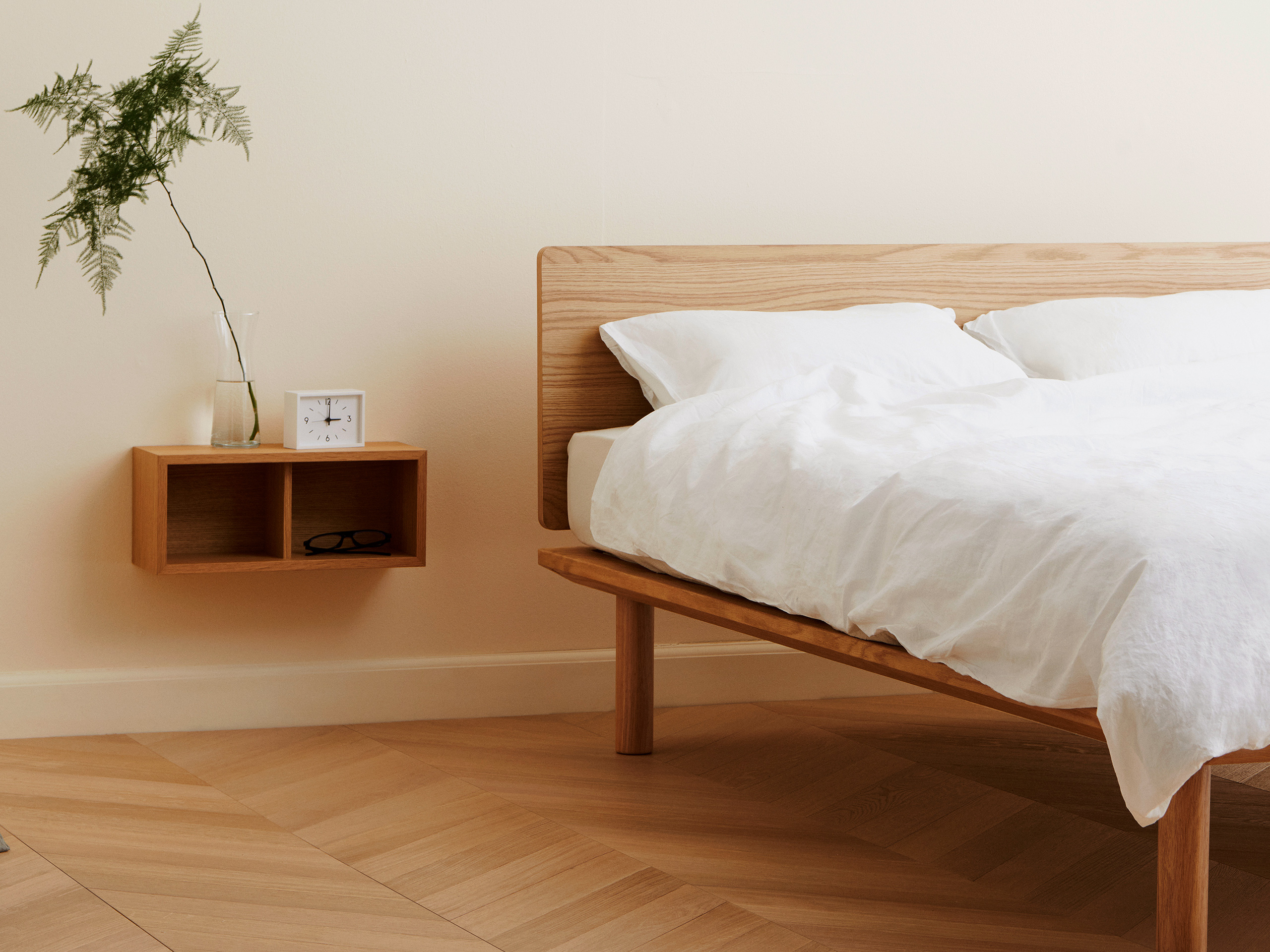
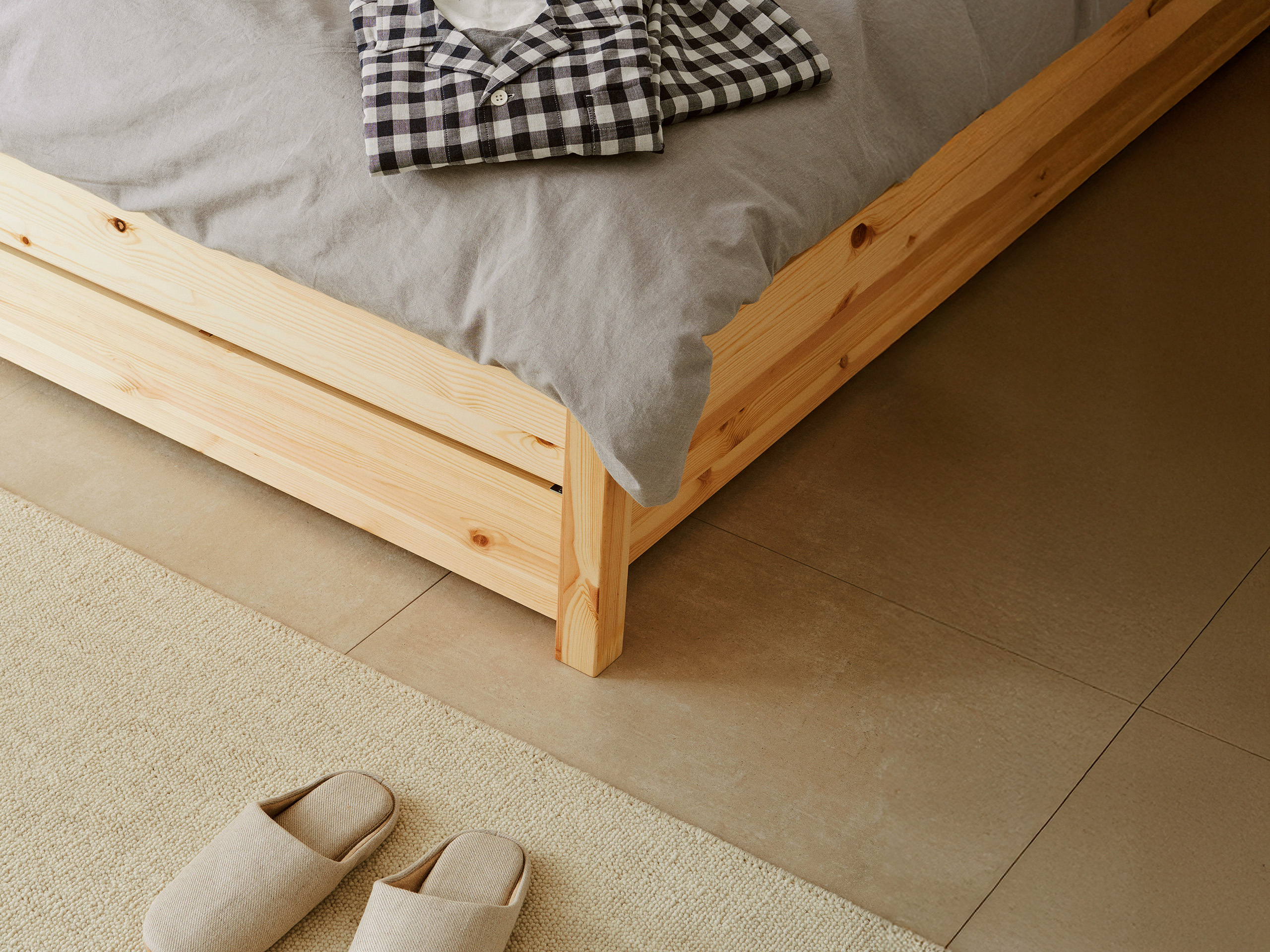
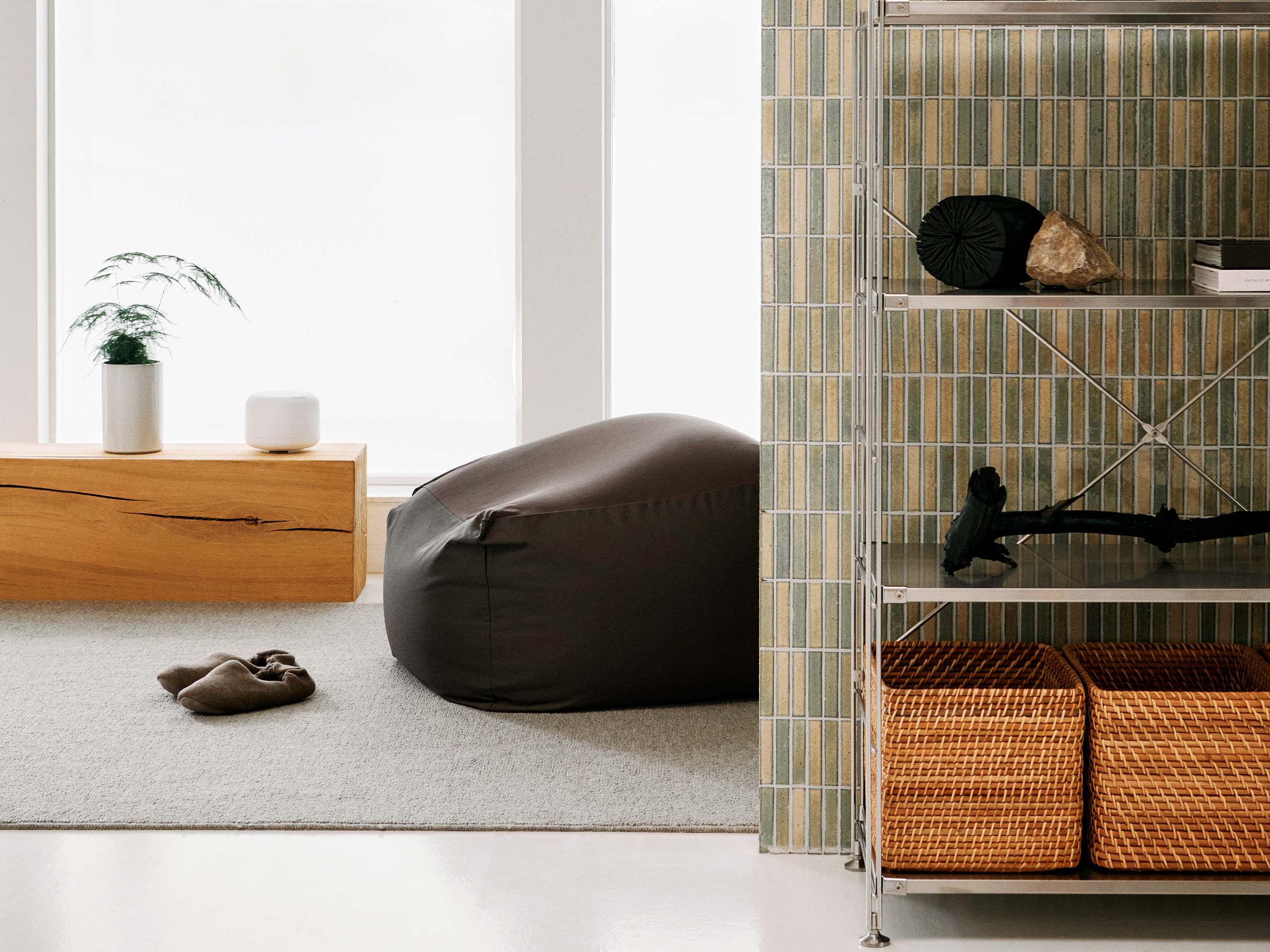
Upholding the same values since its creation, the MUJI philosophy is fully expressed by its name: 無印良品. These kanji, pronounced Mujirushi Ryohin and shortened to MUJI, literally mean: “No brand, quality goods”.
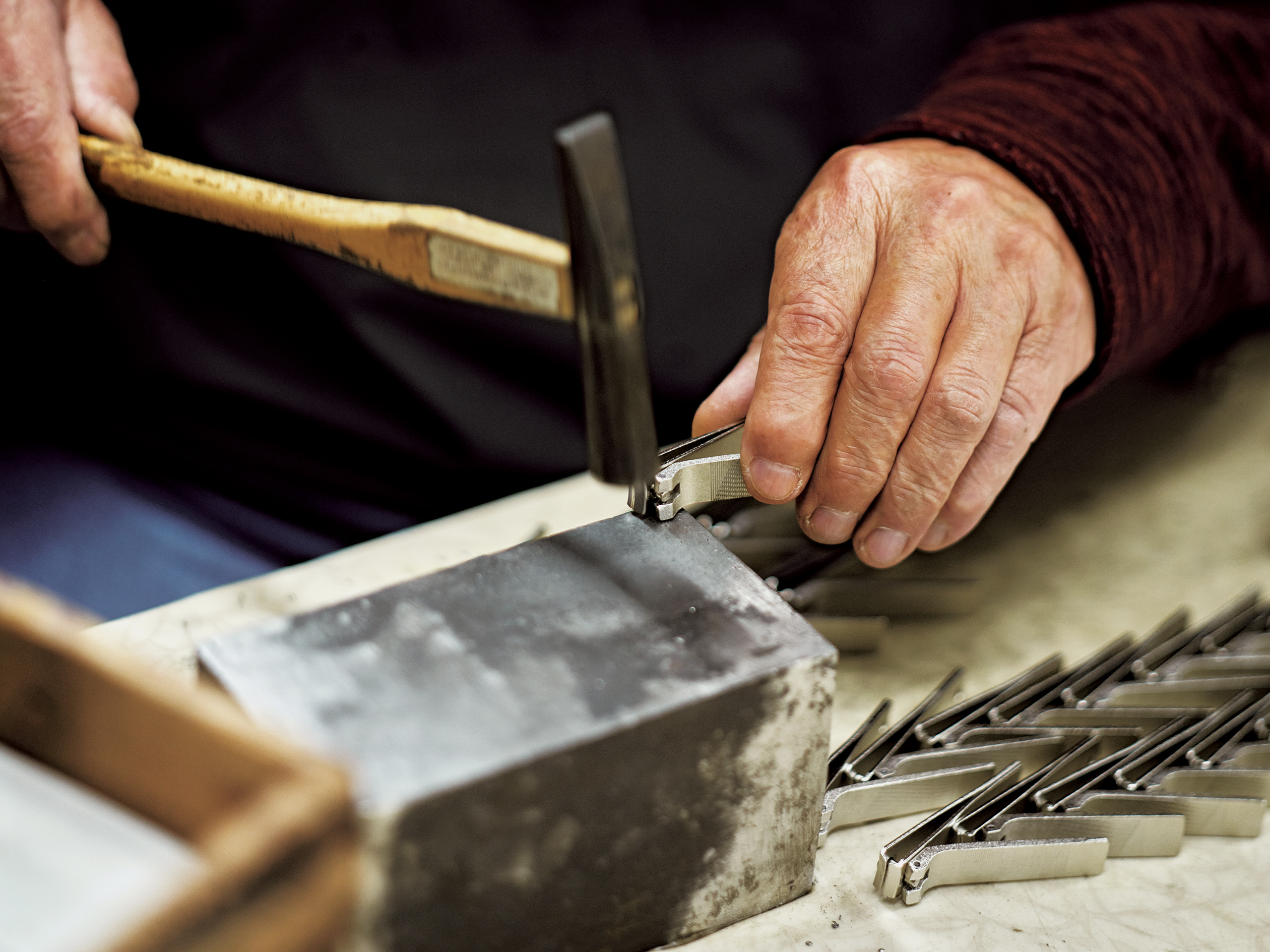
“Quality goods”, because MUJI products are all carefully thought through in terms of design, materials and functionality. Quality according to MUJI is not just about using sustainable raw materials or timeless designs to transcend time and trends, but also streamlining and optimising items so that they serve their purpose perfectly. This minimalist and practical vision of design guarantees efficient and pleasant use, while encouraging simple living and virtuous lifestyle.
“No brand”, because for MUJI, the value of a product lies in itself and in the service it provides - not in the name written on it. Since 1980, MUJI has been defending these solid and simple values and promoting a responsible consumption behaviour able to meet the challenges of our times.
The story of a brand without label
Born in Japan in the early 80s, MUJI’s ambition was to offer a modest and thoughtful alternative to the habits of consumer society at that time. On one hand, foreign-made luxury brands were gaining popularity within an economic environment of ever-rising prosperity. On the other, poor-quality, low-priced goods were appearing on the market and had a polarising effect on consumption patterns. MUJI has therefore been conceived as an unprecedented alternative to these two options. Starting with 40 products, mainly foods, sold at the Seyu department store, MUJI disrupted the market by offering simple, affordable, high-quality products, intended to reconnect with their essence and true nature.
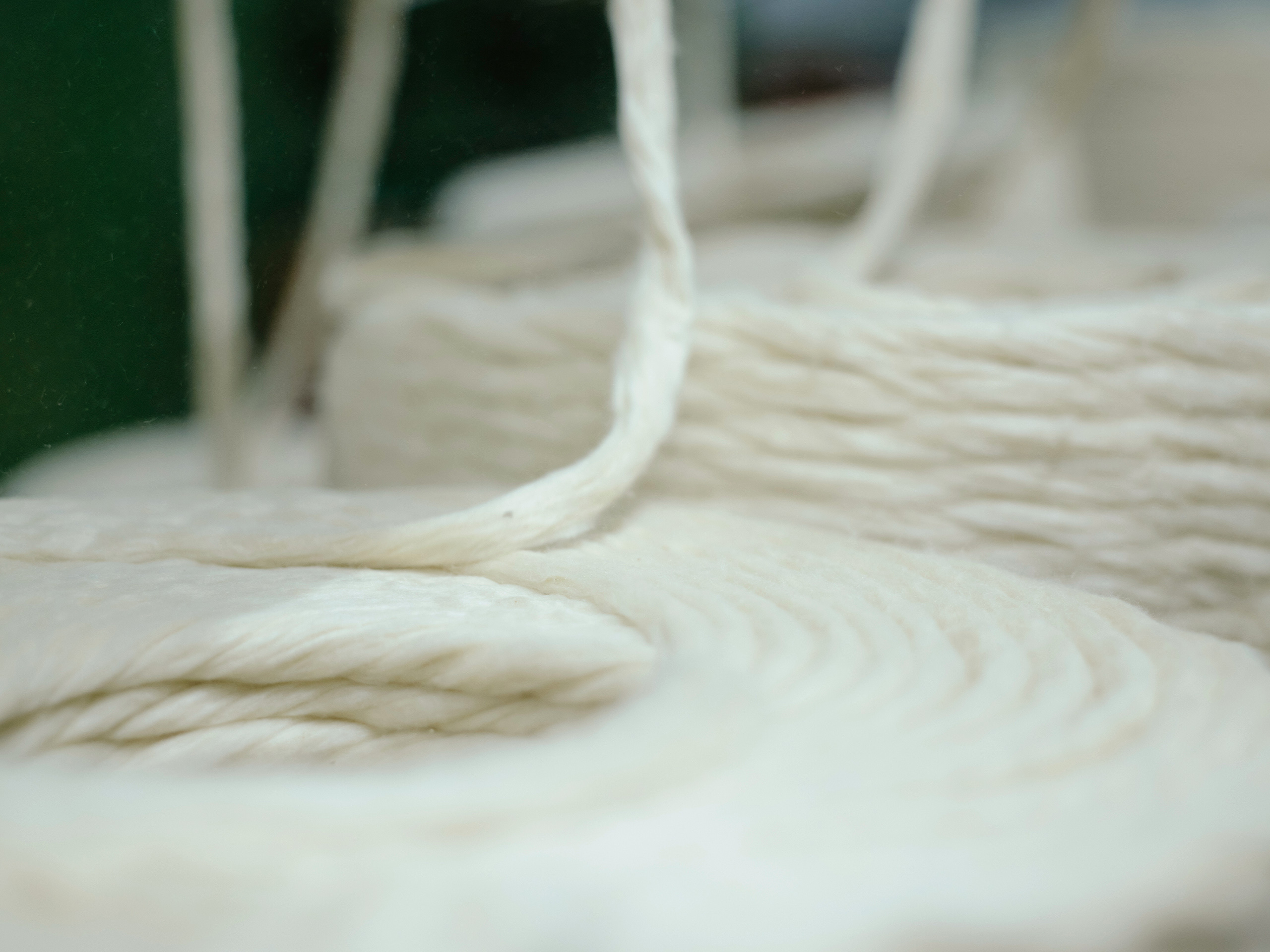
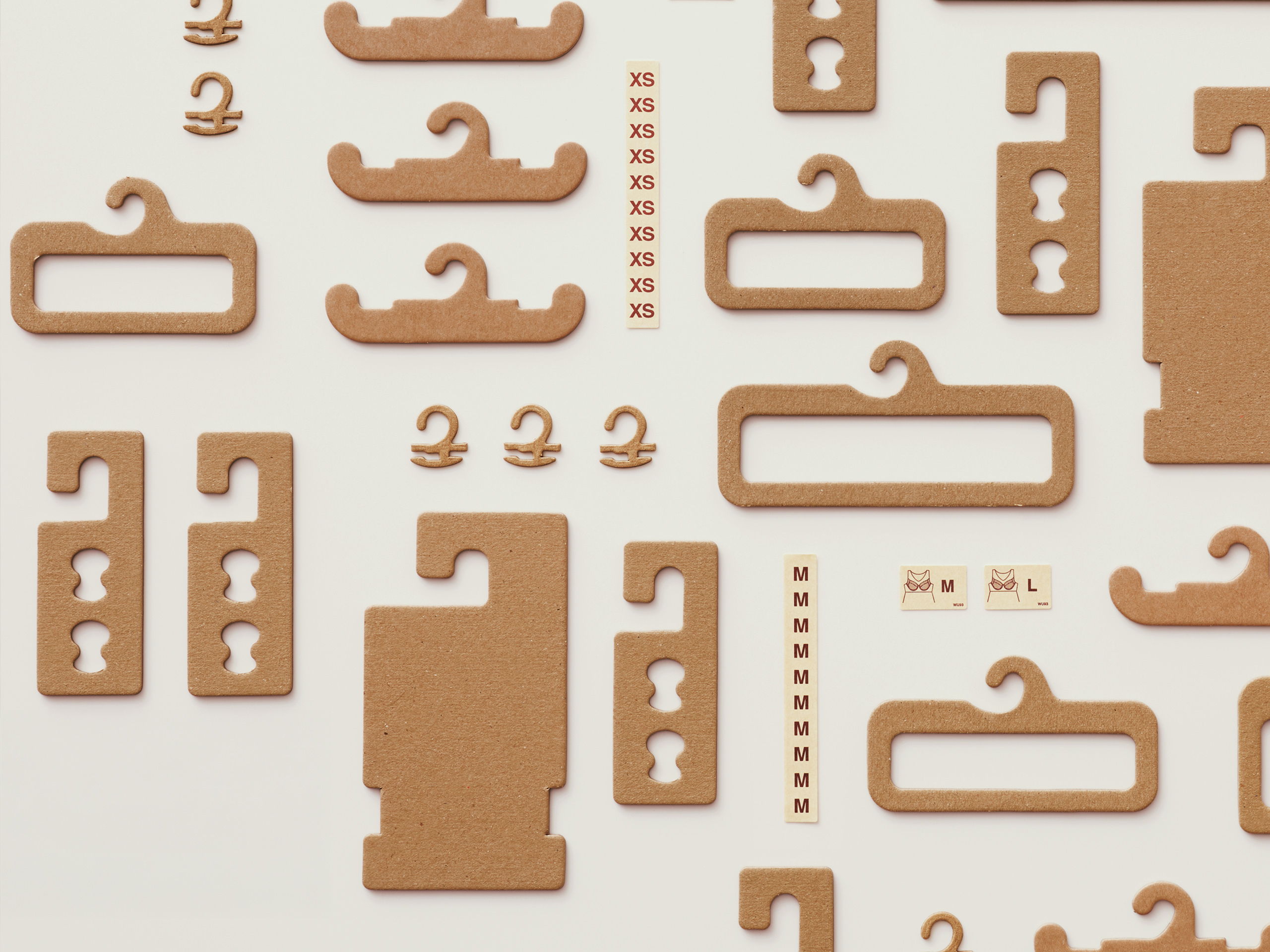
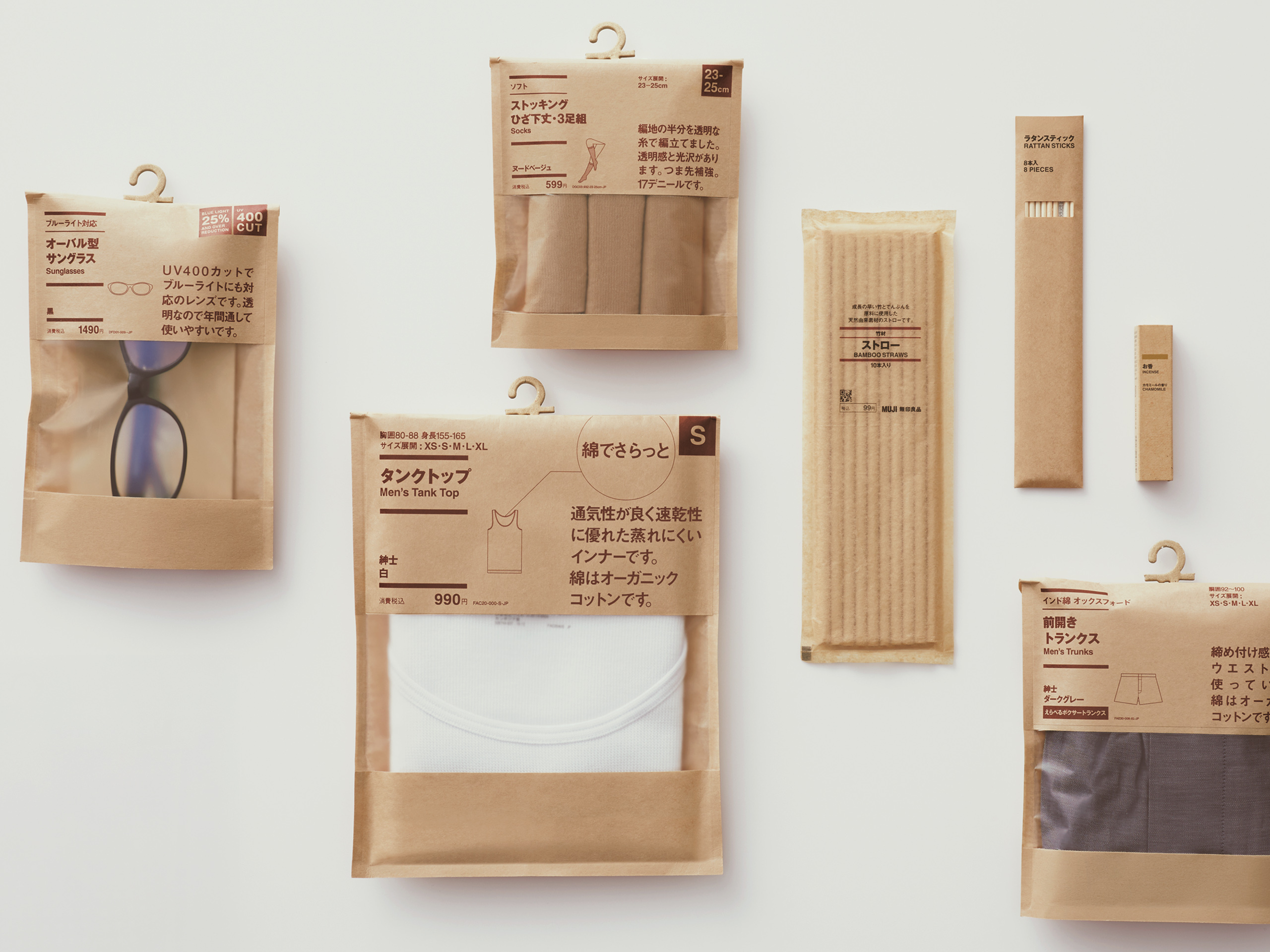
To achieve this balance, three priorities were in order: selecting the materials, streamlining the processes and simplifying the packaging. The goal was to return to the intrinsic appeal of an object, a concept closely connected to the traditional Japanese aesthetic of su. Meaning “plain” or “unadorned”, su promotes the idea that simplicity is not merely modest or frugal, but could possibly be more appealing than luxury. MUJI’s former chairman, Masaaki Kanai, summed up the idea in these words: “MUJI offers objects that moderate excess and make users feel the beauty and pride in living a simple and modest life.”