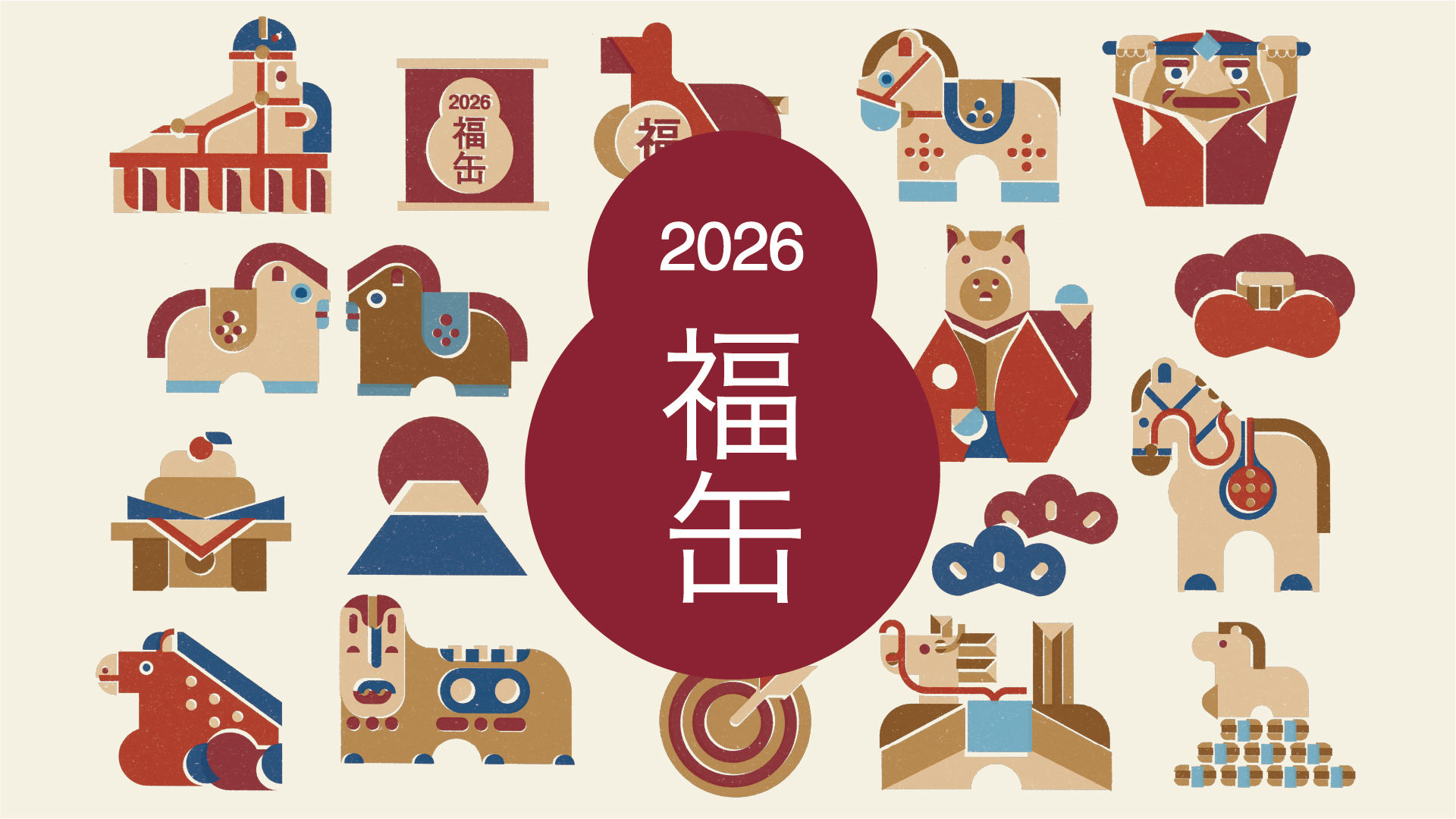
Since 2012, Fortune Cans have been a symbol of the New Year’s joy. This year, we’re bringing you the first “good fortune” of 2026, featuring handmade lucky charms crafted by artisans from across Japan.
Limited Edition
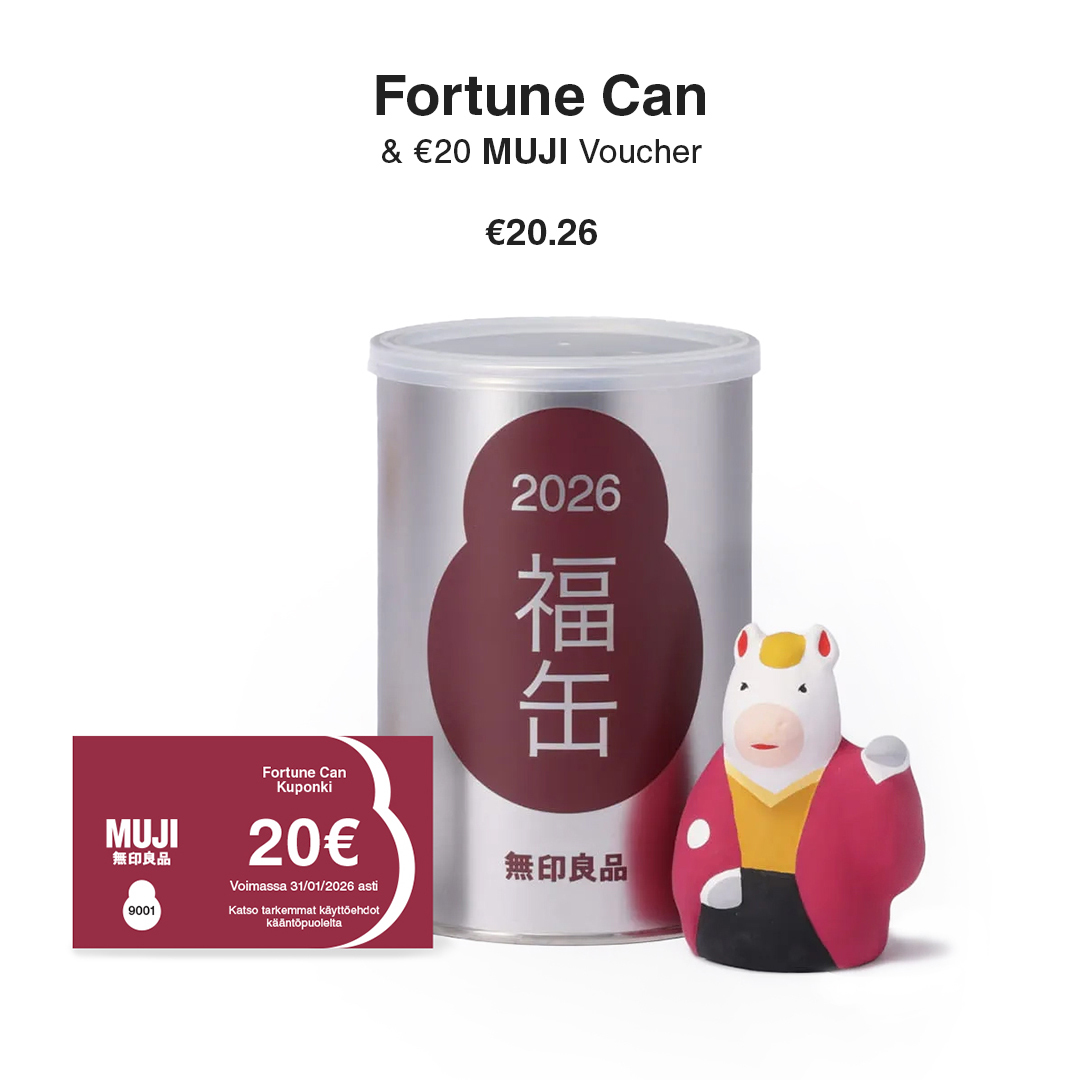
Each set includes a handmade lucky charm, cherished in regions across Japan, along with a €20 MUJI voucher redeemable in stores.
Terms & Conditions apply.
Terms & Conditions:
Tämä kuponki on voimassa 31/01/2026 asti MUJI Kamppi-myymälässä.
Tämä kuponki on lunastettavissa vain kerran, eikä käyttämättä jäänyttä summaa hyvitetä.
Tällä kupongilla voi ostaa vain MUJI-tuotteita (pois lukien MUJI Ravintola, Arkivé Atelier, MUJI Local Design Village ja Fukukan-tuotteet).
Tätä kuponkia ei voi käyttää MUJI Euroopan verkkokaupassa, eikä K-Citymarketin shop-in-shopissa.
MUJI Finland pidättää oikeuden käyttöehtojen muutoksiin tai kampanjan lopettamiseen ilman erillistä ilmoitusta.
What is Fortune Can?
Fortune Can or ‘Fukukan’ is a traditional Japanese offering that celebrates the new year. Inside is a handmade lucky charm crafted by a local maker from various Japanese regions.
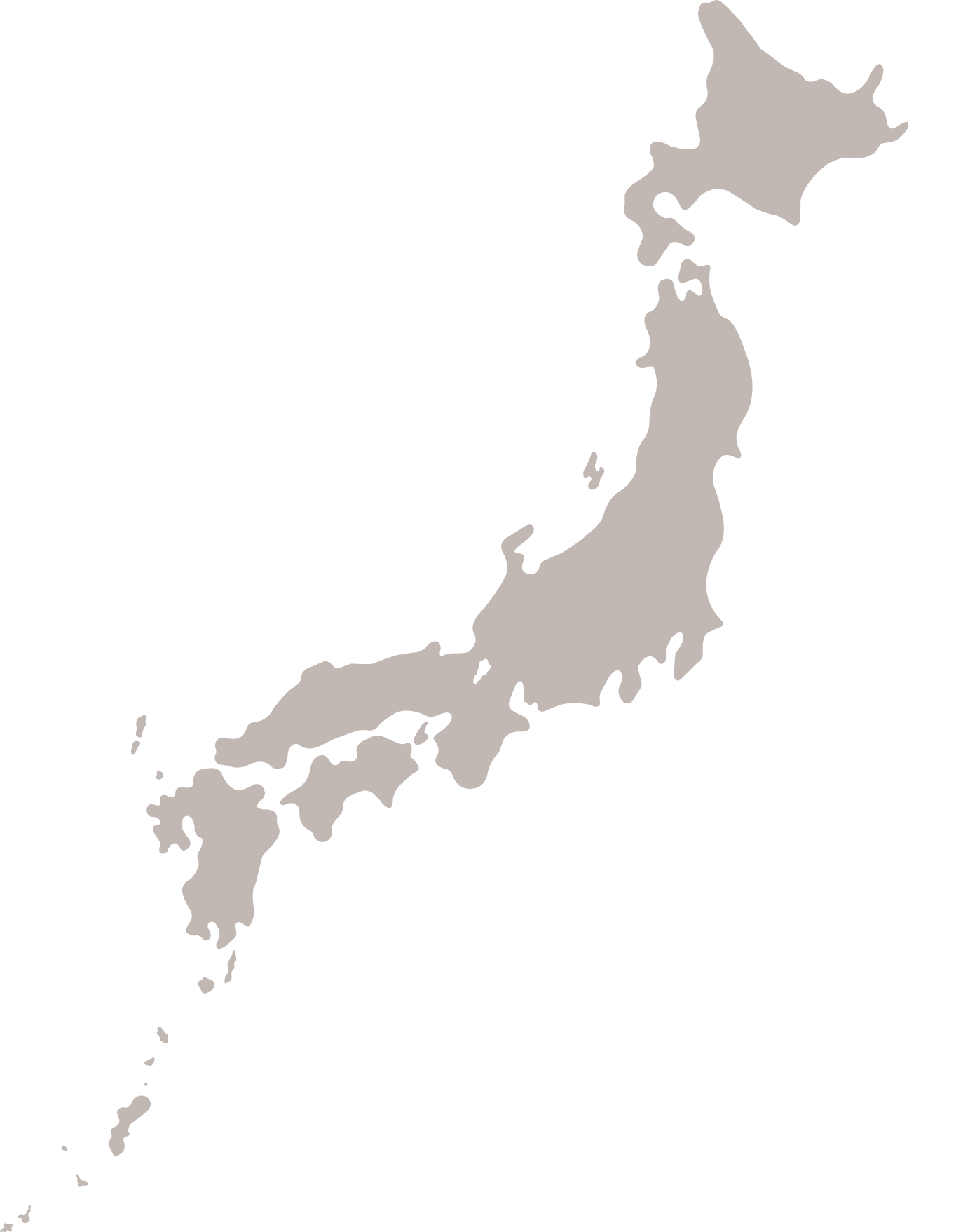
• Koriyama City, Fukushima• Aida District, Okayama• Koshigaya City, Saitama• Kyoto City, Kyoto• Nanto City, Toyama• Yokkaichi City, Mie• Seto City, Aichi
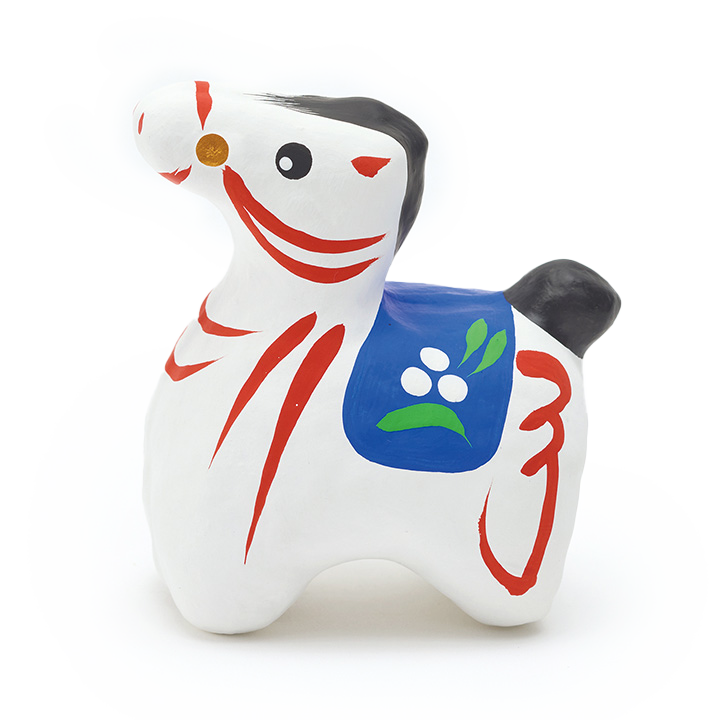
Miharu Papier Mâché Horse Koriyama City, Fukushima Prefecture
A papier mâché horse combining a simple, adorable look and unique decorative patterns. Created by Hikoji Mingei, a producer of zodiac folk dolls known as Miharu Koma (carved from wood), and also one of the workshops in Takashiba Deco Yashiki, a village where Miharu folk toys have been made since the Edo period. This horse is believed to bring prosperity to families and success in business.
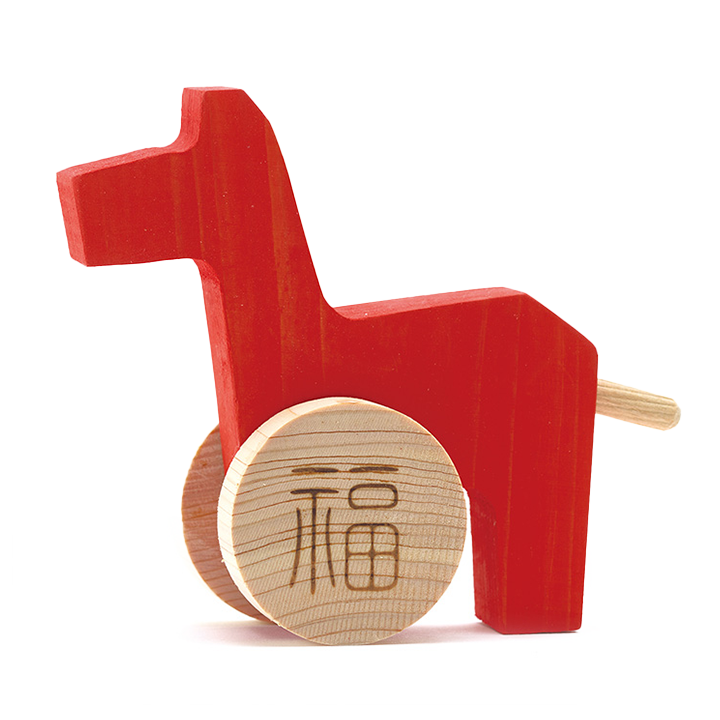
Fortune Horse Aida District, Okayama Prefecture
This fortune horse is an individually handcrafted lucky cart of the Chinese zodiac, made from fragrant Japanese cypress that has been nurtured in forests carefully tended and passed down for generations in Nishi-Awakura Village, Okayama Prefecture. They are crafted with wishes such as 'Things will proceed smoothly' and 'Luck will come galloping in,' playing on the word 'uma' (which means both 'horse' and 'smoothly' in Japanese) and its powerfully galloping form. This lucky cart of the Chinese zodiac embodies the wish that the galloping horse will bring good fortune.
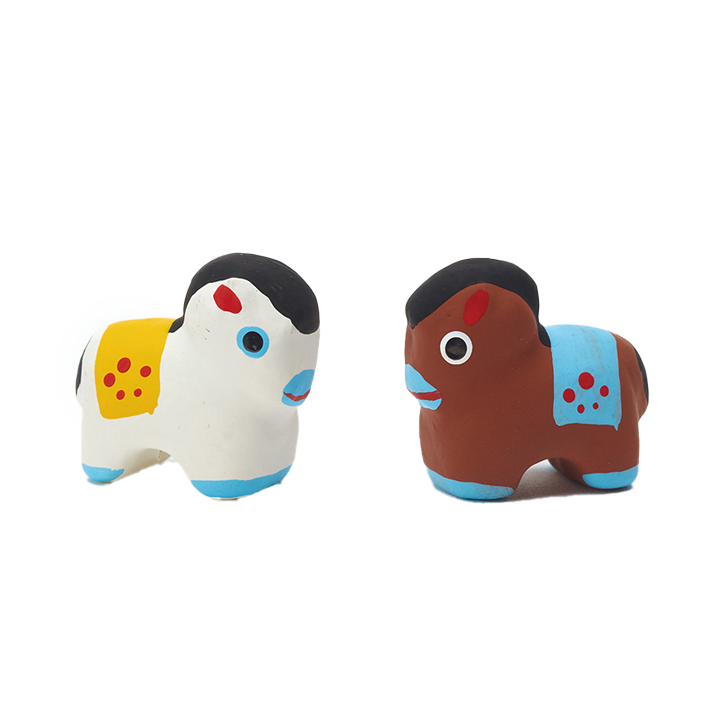
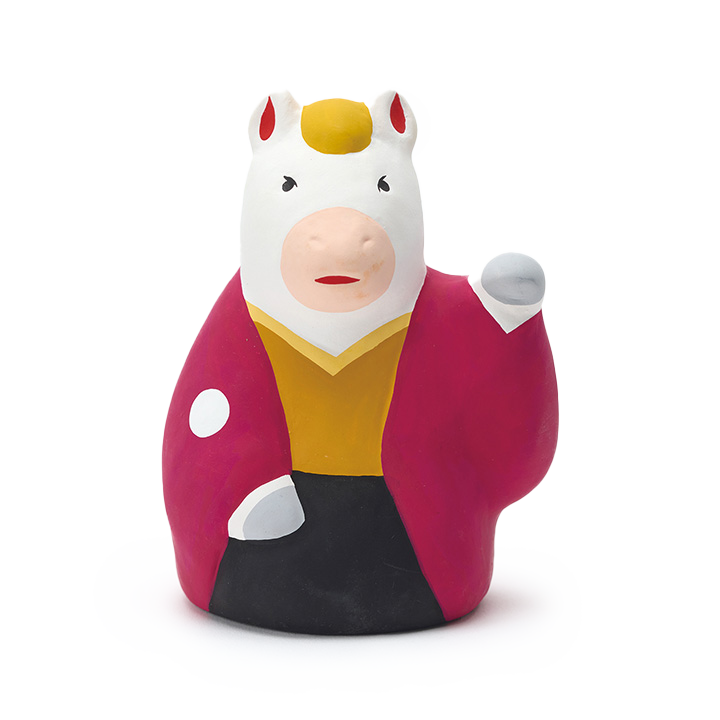
Mini Chinese Zodiac Horse Couple Koshigaya City, Saitama Prefecture
Saitama Prefecture has prospered as a major toy manufacturing region since the Edo period due to its proximity to Edo, Japan's former capital. Paulownia trees have grown for ages along the Nikko Kaido road, making kiriko powder (derived from the trees) readily available. Colourful, durable, and lightweight figures are created using this powder and a paste made from raw wheat gluten.
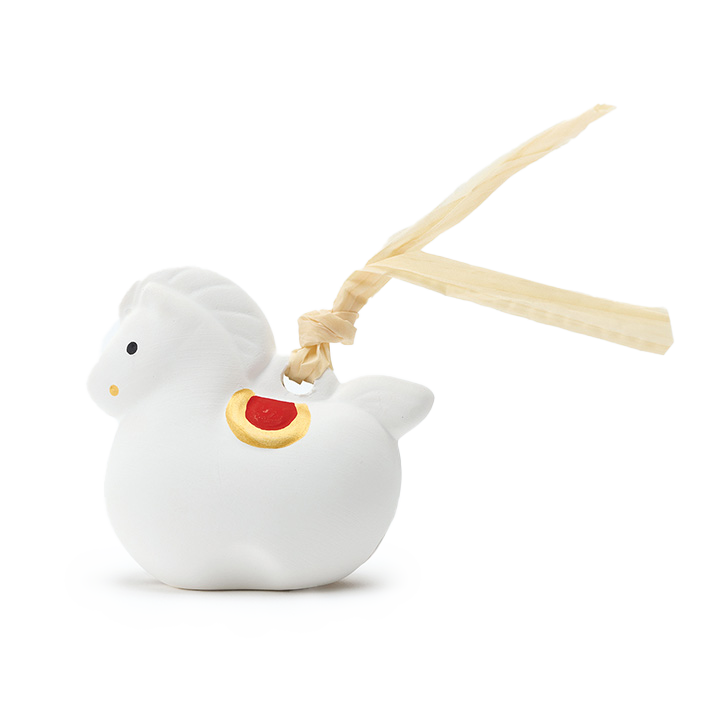
Kyo Clay Bell Okibariyasu Kyoto City, Kyoto Prefecture
Kyo clay bells are a lucky charm originally named after a phrase in Kyoto dialect. The newborn baby horse standing on its own symbolises positive energy and growth. The figure of a lively horse is associated with a prayer for safe delivery. Just looking at it lifts your spirits. The Kyoto expression 'Okibariyasu' means 'Hang in there!'
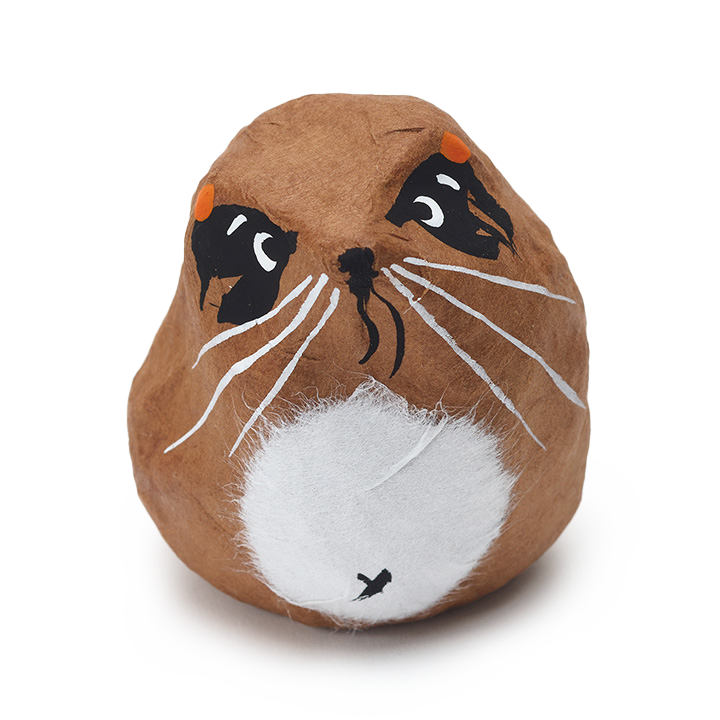
Paper Clay Shiso Doll Small Raccoon Dog Nanto City, Toyama Prefecture
Since ancient times, handmade washi paper has been produced in the Gokayama District of Toyama Prefecture, an area famous for its gassho-style houses, which celebrated their 30th anniversary on the World Heritage List last year. This adorable good luck charm is made by moulding recycled washi paper clay into shapes, then drying and covering it with washi paper. It is then delicately hand-painted.
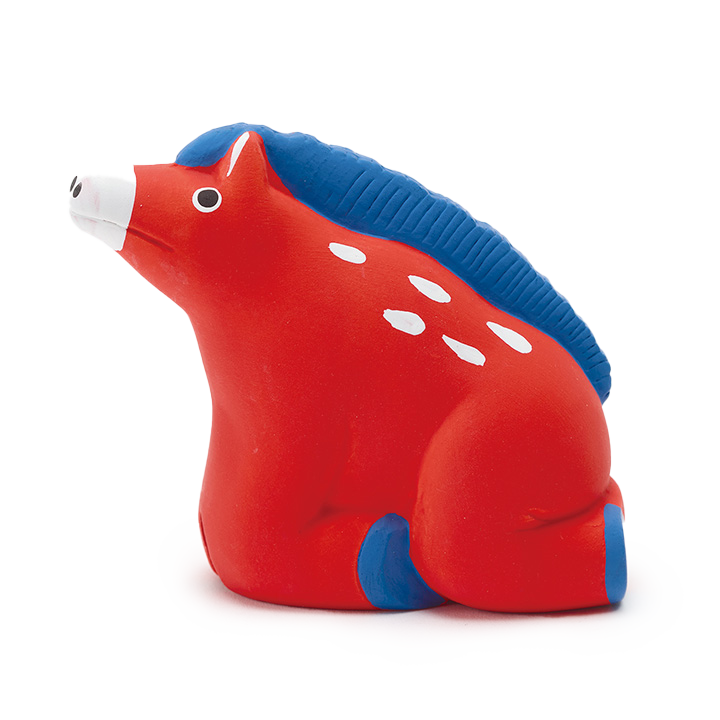
Unglazed Nagomi Clay Bell Horse Yokkaichi City, Mie Prefecture
This unglazed Nagomi doll is a soothing clay bell made with traditional techniques that have been passed down for generations. Horses have been considered a symbol of good luck since ancient times, paving the way forward with strength and bringing good fortune.
Toy Workshop Fortune Horse Seto City, Aichi Prefecture
Blessed with soil containing abundant clay suitable for pottery, Seto City is famous for its rich pottery-making history spanning roughly 1,000 years since the Heian period. "Setomono" wares have long been cherished as everyday pottery. Using a variety of techniques and white porcelain clay quarried in the Seto region, the craftspeople have been dedicated to creating new toys that can fill our everyday lives with happiness while keeping the tradition alive.
Available only in selected stores
MUJI Oxford Street
MUJI Tottenham Court Road
MUJI Covent Garden
MUJI Islington
MUJI Francs Bourgeois
MUJI Forum Des Halles
MUJI Lyon Part Dieu
MUJI Milano Corso Buenos Aires
MUJI Porta Nuova Garibaldi
MUJI Via Torino Duomo
MUJI Berlin Ku'damm
MUJI Berlin Hackescher Markt
MUJI Duesseldorf
MUJI Munich
MUJI Frankfurt