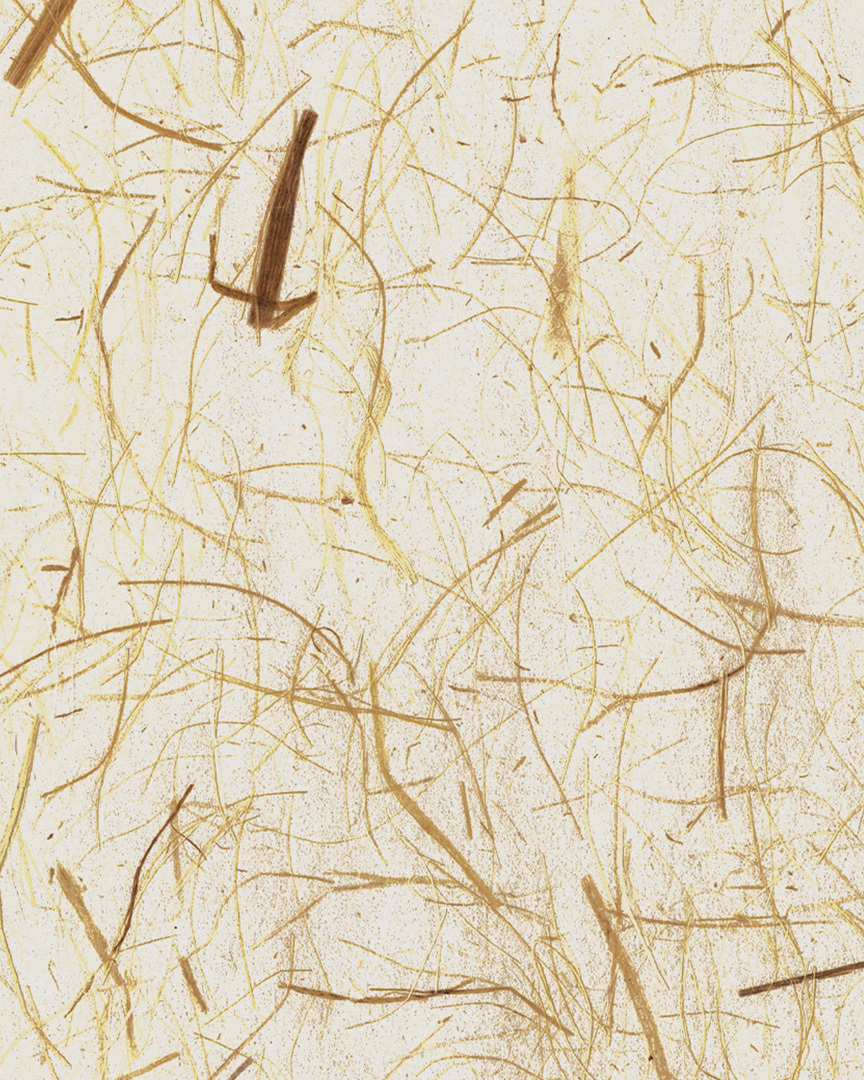
A heritage of Japanese craftsmanship
For its washi-based products, MUJI uses Shirakawa Paper in Japan, a company whose traditional methods have stood the test of time. The delicate manufacturing process involves separating the fibres from the bark, soaking them in water with a root acting as a glue, and drying the resulting pulp to form the paper, which is then cut into thin strips to make threads. These are then tightly twisted with polyester to give a strong, elastic fabric.

A sustainable material with a clean production process
Environmentally friendly, washi is not only made from a natural material, managed by local forestry companies whose waste is utilised, but it is also biodegradable and recyclable. Unlike industrial paper, it can last for hundreds of years, does not mildew and requires no chemicals to produce. In short, its elegance in relation to the planet echoes that of the clothes woven from it.
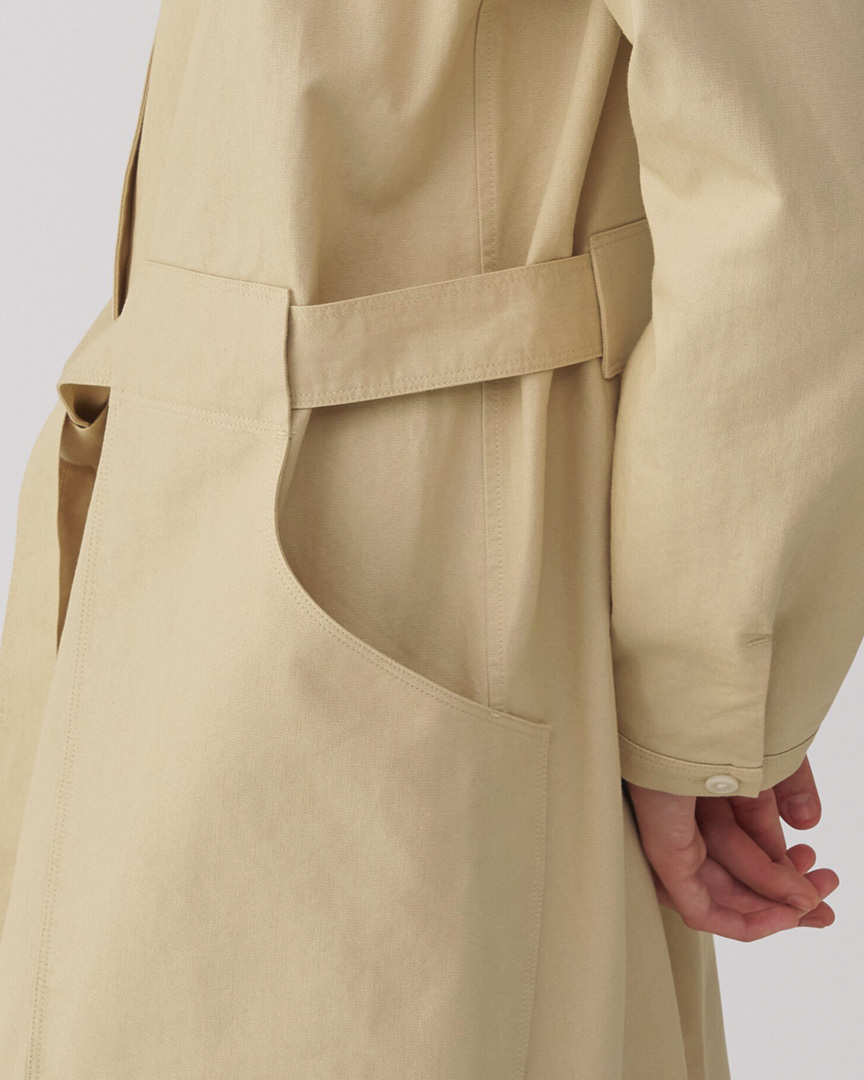
Lightweight, attractive outfits
A natural material with a smoother feel than linen, washi thread is extremely light, and the air in its fibres gives it a fluffy finish. But behind this airy effect lies great solidity. At MUJI, we like to combine it with other materials, such as organic cotton or denim, for jackets, jeans, jumpers or shirt dresses. And because it dries quickly and has antibacterial properties, we particularly like to use it in our summer collections, where it offers great comfort whatever the temperature. For clothes that can be worn like a summer breeze.

