
Christmas: Simplicity Over Spectacle
While in the West, Christmas has religious roots and often means family meals, extended holidays and presents under the tree, the Japanese interpretation is quite different.
An imported and reinvented event, Japanese Kurisumasu (クリスマス) exudes a certain light-heartedness and unapologetic simplicity, with its own traditions and unique culture. Discover this moment of simple joy with its special atmosphere, as well as ideas for celebrating Christmas Japanese style.
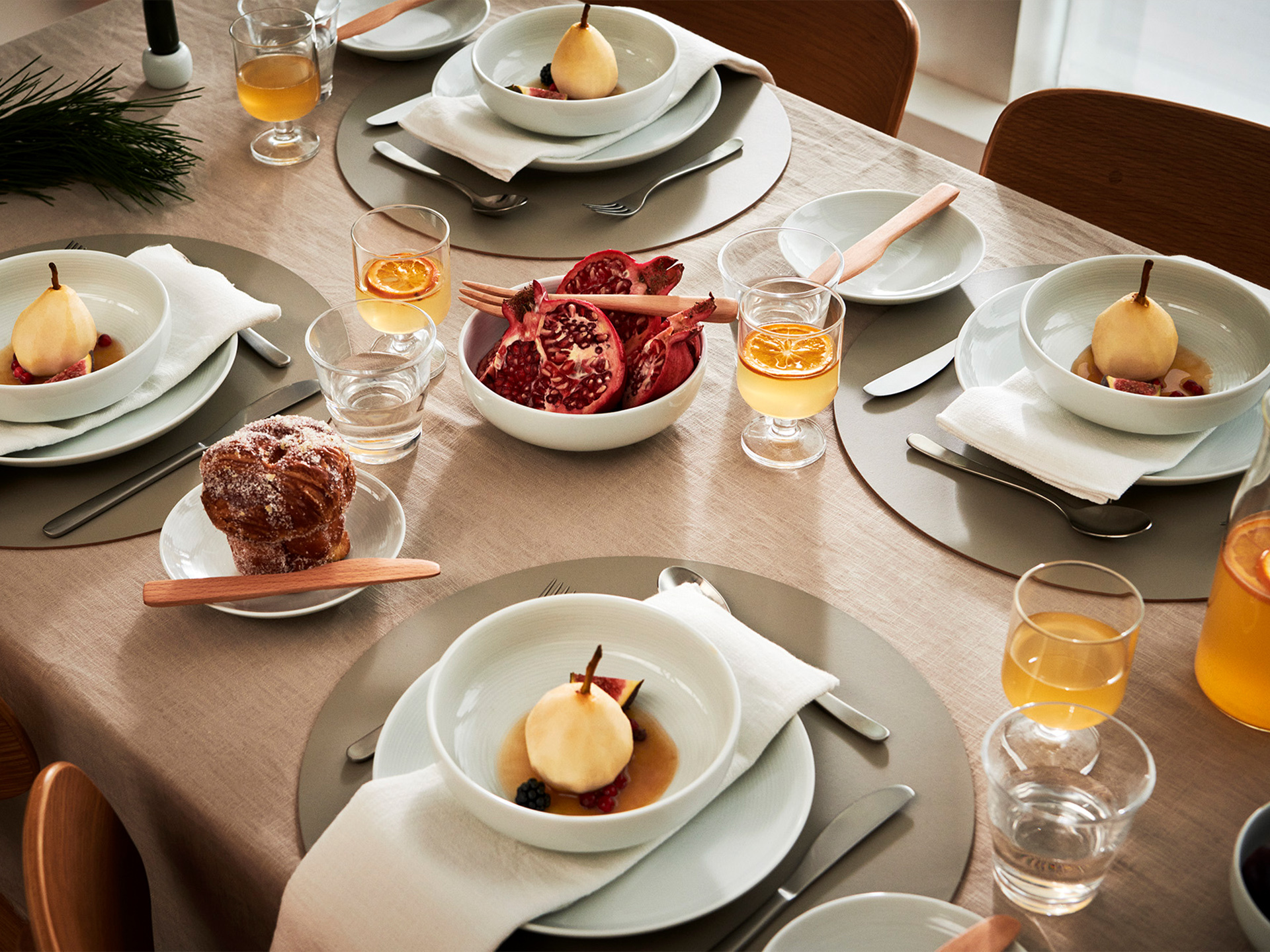
A celebration for couples rather than families
The first thing that sets the two celebrations apart is a major detail: 25 December is not a public holiday in Japan. Unlike, for example, the Emperor's birthday or New Year (Shōgatsu), it is a normal working day, making long family feasts impossible. Even the evening of the 24th is not dedicated to Christmas Eve as we know it – in Japan, it is a night dedicated to friends and couples. This evening, the most romantic of the year, even rivals Valentine's Day. With reservations at high-end restaurants, hand-in-hand strolls, outings, dates, and even special parties for singles, Kurisumasu evenings exude love, seduction, sweetness, and playfulness. These moments also represent a relaxed ‘break’ before the social obligations and weight of Shōgatsu (正月) traditions, the New Year, a pillar of large family gatherings and other traditional rituals.
KFC instead of a turkey
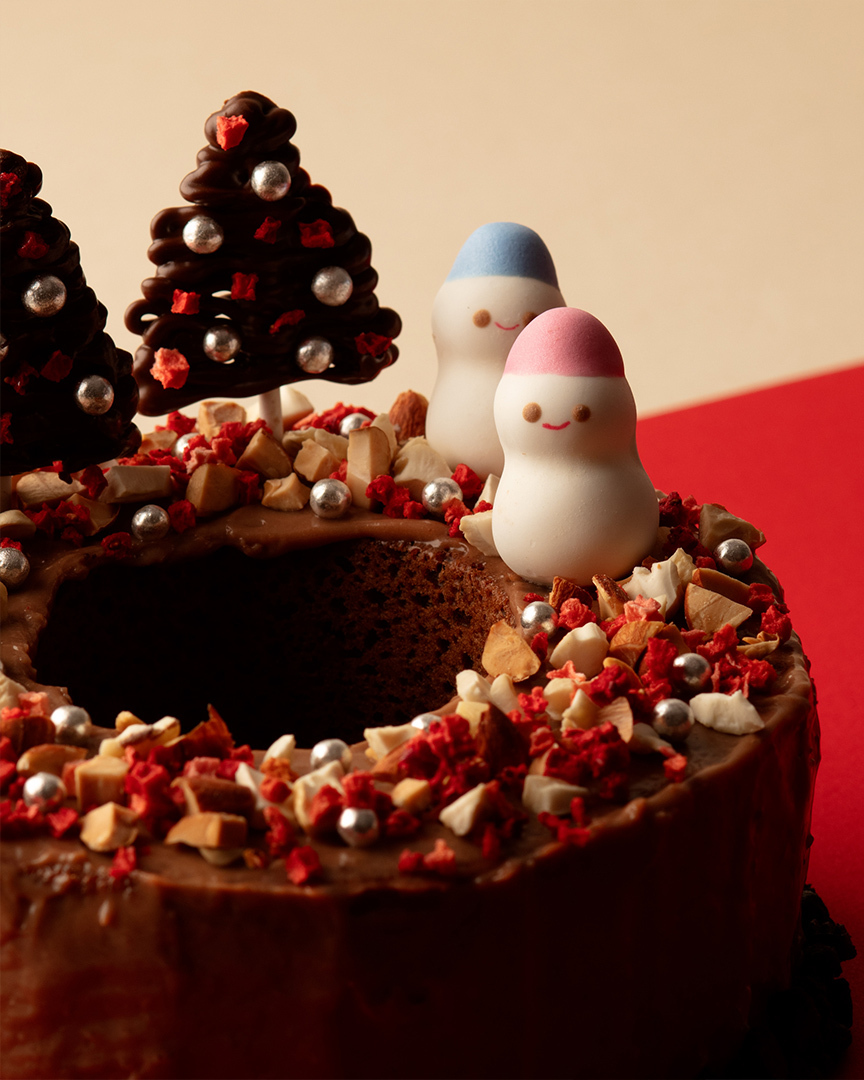
One of the things that surprises Westerners most about Christmas in Japan is undoubtedly the KFC tradition. Born out of an inventive marketing campaign in the 1970s that humorously associated KFC with American turkey, the cultural habit of KFC's ‘Christmas Party Barrel’ on 25 December has become an almost obligatory ritual for millions of Japanese people at Christmas – with endless queues to prove it. As for the Yule logs, they give way here to Kurisumasu Keki, a light, not too sweet cake made of sponge, whipped cream and strawberries. Its simplicity reflects the Japanese taste for delicate, understated flavours, while its red and white colours are reminiscent of both Santa Claus and... the country's flag. While the content of these meals may be surprising, these traditions illustrate Japan's playful approach to international traditions, which the country knows how to adapt with flexibility and inventiveness.
Simplicity rather than luxury
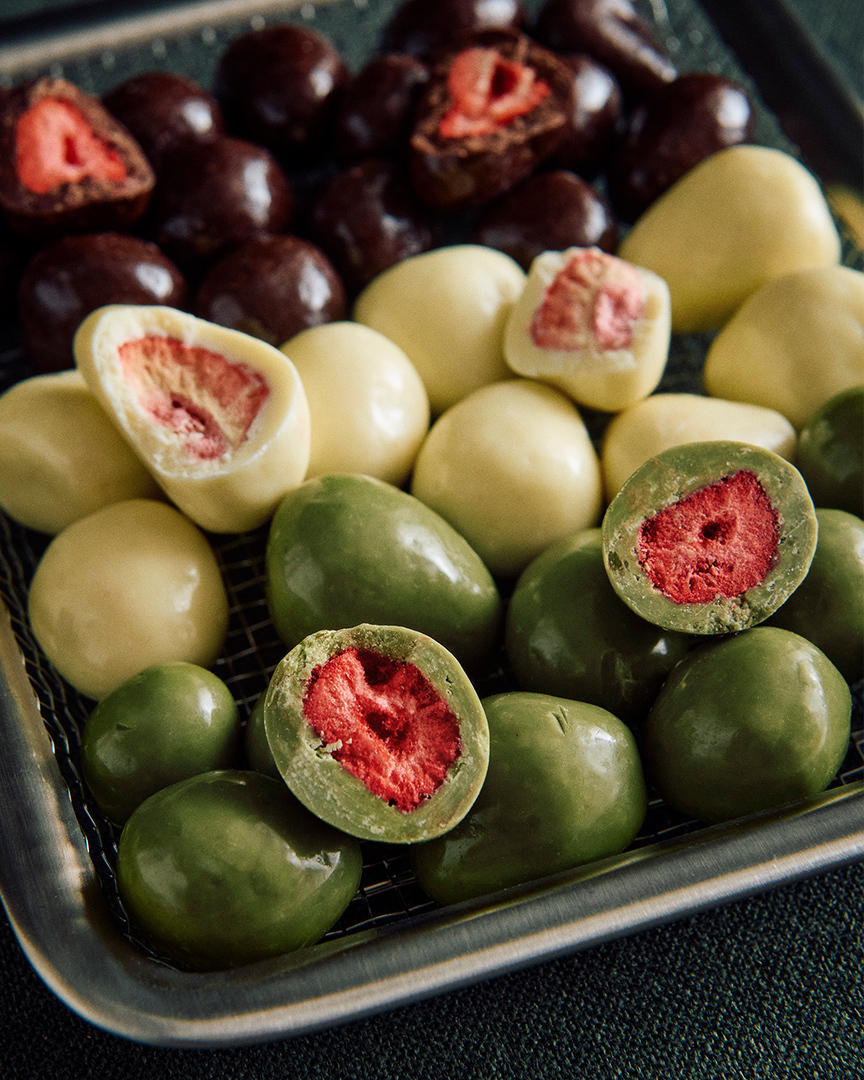
Christmas in Japan is also distinguished by certain Japanese concepts that are reflected in its traditions. Such as Wabi Sabi (侘寂), the aesthetic of simplicity and imperfection, which is expressed in the type of gifts: the emphasis is on the quality and thoughtfulness of the gesture, rather than the monetary value of the present. The concept of Mottainai (もったいない) also appears, reflecting a rejection of waste, a philosophy that can also be seen in the gifts, which are practical and affordable, but also in the reusable packaging thanks to Furoshiki. At the end of December in Japan, the emphasis is on atmosphere, attention to others and the experience itself rather than on extravagance and the ‘weight’ of gifts – a mindset that aligns perfectly with MUJI. Simple pleasures are celebrated, such as a light cake, a dinner for two, a small gift for everyday use or a walk through an illuminated market.

A shared traditional Christmas atmosphere
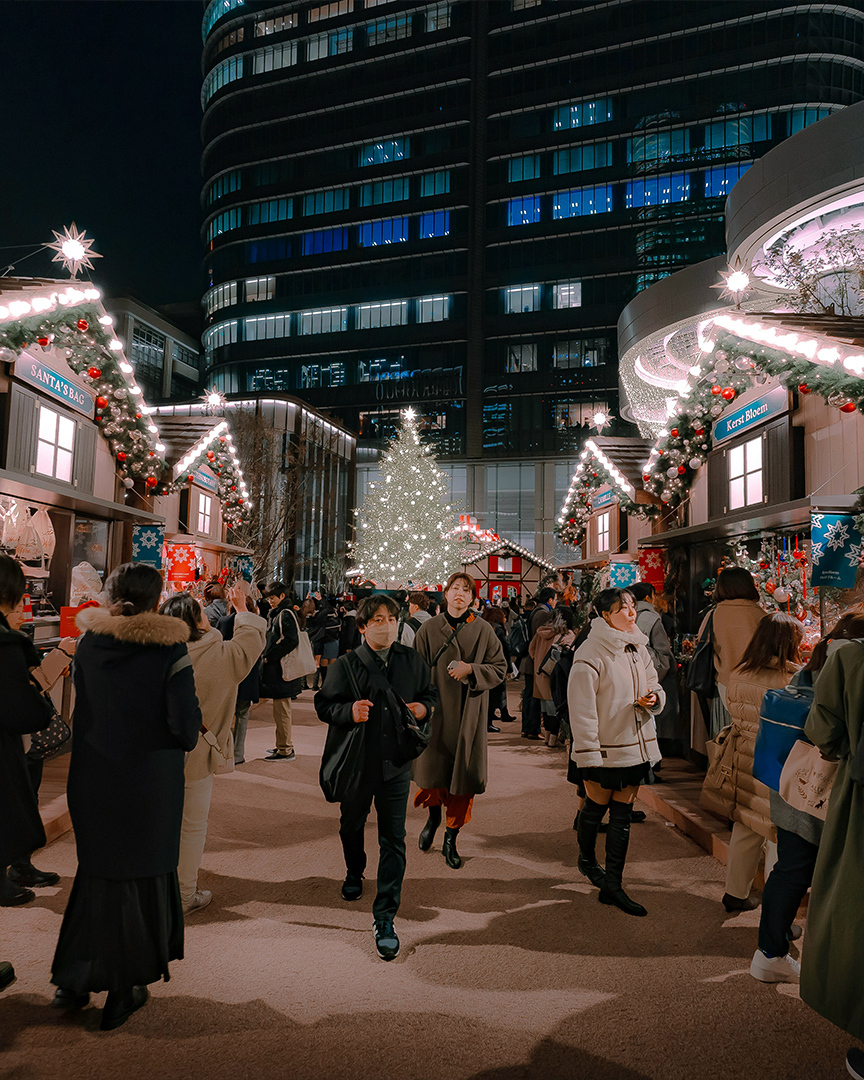
But beyond the differences, there is one strong similarity that connects the two cultures across the globe: the magical atmosphere. Christmas lights in Japan take the form of spectacular installations that rival those in New York or London, background music plays Christmas classics and their Japanese versions, European-style markets (with wooden huts, mulled wine and crafts) spring up in Tokyo and Osaka, and city centres are transformed into dreamlike settings. This atmosphere is more meaningful and important than the high price of a gift or the splendour of a dinner table. It's about living wonderful moments in full awareness, filled with beauty and small thoughtful gestures.

Christmas in Tokyo, Japan
Japanese-style gift ideas
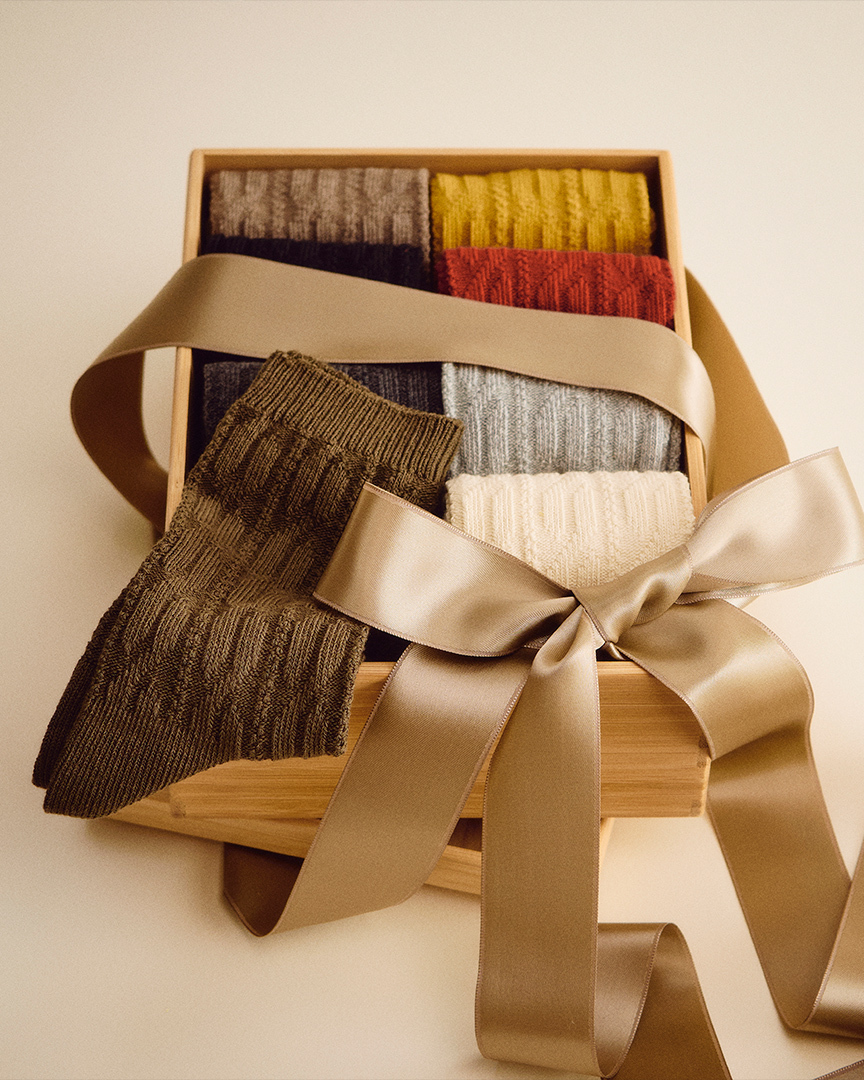
Christmas in Japan does not involve the same type of gifts as in the West. Luxury, extravagance and ‘superfluous’ goods are not welcome. Gifts are generally useful, modest and seasonal, such as home scents (candles, diffusers, incense, essential oils), perfect for a romantic evening for two. Winter accessories, such as quality gloves or well-designed scarves, socks and hats. Japanese kitchen utensils and tableware, embodying the Ikigai principle in everyday objects, inclining towards the simple pleasure of repetitive tasks. Or 2026 diaries and calendars for a smooth transition to the new year, symbolising planning and renewal, accompanied by useful pens. This is also the season for seasonal gift sets and limited edition items, available only in December. Even more so than in the West, Japan appreciates these exclusive and special series. Finally, everything is carefully wrapped in reusable Furoshiki cloth or brightly coloured paper, to complete the gesture and show consideration.
Ultimately, Japanese Christmas subtly combines certain festive and bright Western traditions with the unchanging principles of Japanese culture, rooted in practicality and simplicity. It is a balance of gentleness and lightness.